Anal incontinence is an important health problem characterized by the involuntary loss of control over gas or stool (feces), significantly affecting quality of life. Although it is more common than generally believed in society, many patients delay expressing this condition due to embarrassment and hesitation. Anal incontinence may occur as a result of weakness in the anal sphincter muscles, nerve damage, childbirth-related trauma, previous surgeries, and certain neurological diseases. With early diagnosis and appropriate treatment approaches, this condition can largely be brought under control, and patients’ daily quality of life can be significantly improved.
What Is Anal Incontinence?
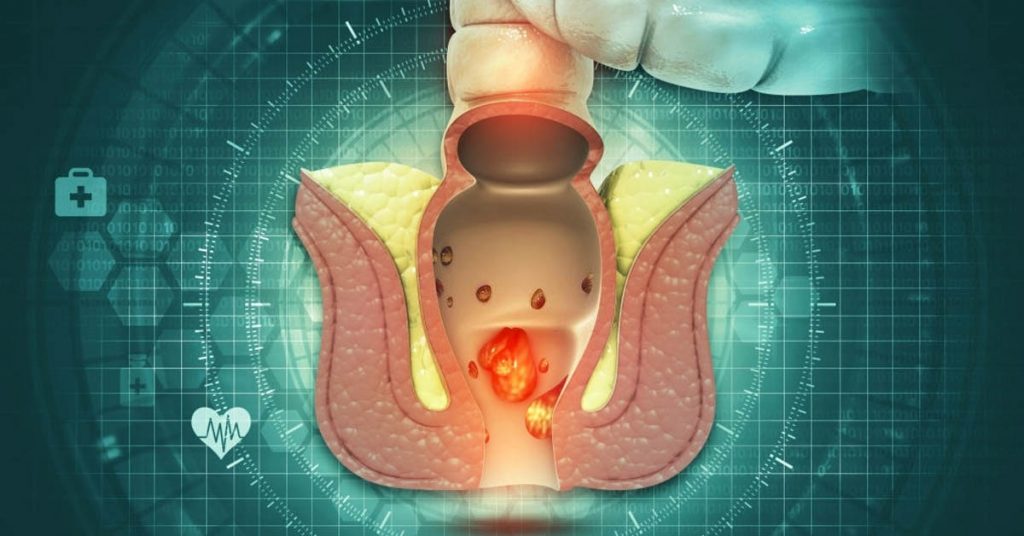
Anal incontinence is the condition in which a person involuntarily loses control over gas or stool (feces). It may range from mild gas leakage to uncontrolled loss of liquid or solid stool. Anal incontinence usually develops as a result of weakness in the anal sphincter muscles, nerve damage, or pelvic floor dysfunctions, and it negatively affects social life, psychological well-being, and overall quality of life.
What Are the Causes of Anal Incontinence?
Anal incontinence occurs as a result of loss of normal function of the anal canal and pelvic floor structures. The most common causes include weakness or damage to the anal sphincter muscles, disorders of nerve conduction, and pelvic floor muscle dysfunctions. Difficult childbirth, previous anorectal surgeries, chronic constipation, prolonged diarrhea, and age-related muscle weakness may predispose to the development of anal incontinence. In addition, neurological diseases such as diabetes, stroke, spinal cord disorders, and multiple sclerosis may also lead to this condition.
What Are the Symptoms of Anal Incontinence?
The symptoms of anal incontinence may vary depending on the severity of the condition and the underlying cause. The most common symptoms include inability to control gas, involuntary loss of stool, and difficulty delaying the urge to defecate. Some patients experience leakage of liquid stool only, while in advanced cases uncontrolled loss of solid stool may occur. In addition, symptoms such as a constant feeling of moisture in the anal area, skin irritation, odor problems, and avoidance of social situations may also develop, negatively affecting quality of life.
How Is Anal Incontinence Diagnosed?
The diagnosis of anal incontinence is made through a detailed medical history and a comprehensive physical examination. The frequency and severity of gas and stool leakage and its impact on daily life are carefully evaluated. During physical examination, the condition of the anal region and anal sphincter muscles is assessed. To clarify the diagnosis and identify the underlying cause, advanced diagnostic tests such as anal manometry, endoanal ultrasonography, and, when necessary, magnetic resonance imaging may be used. These evaluations are essential for determining the most appropriate treatment approach.
What Are the Treatment Methods for Anal Incontinence?
Treatment of anal incontinence is planned according to the underlying cause, severity of symptoms, and the patient’s overall condition. In mild to moderate cases, lifestyle modifications, dietary changes, and pelvic floor muscle strengthening exercises are usually recommended first. Biofeedback therapy and medical treatments may also be effective in selected patients. In advanced cases, surgical options such as anal sphincter repair, sacral nerve stimulation, and other surgical procedures may be considered. The main goal is to improve bowel control and significantly enhance the patient’s quality of life.
What Are the Treatment Methods for Anal Incontinence?
Treatment of anal incontinence is planned according to the underlying cause, severity of symptoms, and the patient’s overall condition. In mild to moderate cases, lifestyle modifications, dietary changes, and pelvic floor muscle strengthening exercises are usually recommended first. Biofeedback therapy and medical treatments may also be effective in selected patients. In advanced cases, surgical options such as anal sphincter repair, sacral nerve stimulation, and other surgical procedures may be considered. The main goal is to improve bowel control and significantly enhance the patient’s quality of life.
What Happens If Anal Incontinence Is Not Treated?
If anal incontinence is left untreated, symptoms may worsen over time and significantly impair quality of life. Persistent leakage of gas and stool can lead to skin irritation, increased risk of infections, and unpleasant odor. In addition, patients may develop psychological problems such as social withdrawal, loss of self-confidence, anxiety, and depression. As the condition progresses, further muscle and nerve damage may occur, making treatment more difficult and limited. Therefore, early diagnosis and appropriate treatment are of great importance.
When Should a Doctor Be Consulted?
Gaz veya gaita kaçırma şikâyeti tekrarlayıcı hale geldiyse, günlük yaşamı ve sosyal aktiviteleri etkilemeye başladıysa mutlaka bir doktora başvurulmalıdır. Ani gelişen anal inkontinans, şiddetli karın ağrısı, kanama, nörolojik belirtiler veya geçirilmiş doğum ve cerrahi sonrası ortaya çıkan kaçırma durumları acil değerlendirme gerektirir. Erken dönemde yapılacak tıbbi değerlendirme, altta yatan nedenin belirlenmesini ve en uygun tedavi yönteminin planlanmasını sağlar.







.png)
 (465 x 465 piksel).png)