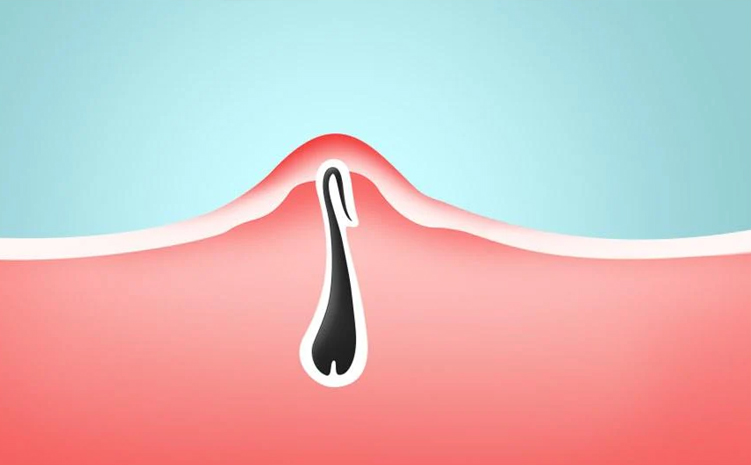
Anal and genital warts are a health condition that occurs as a result of Human Papilloma Virus (HPV) infection and is much more common in society than commonly believed. HPV infection can often progress without causing any symptoms, and individuals may carry the virus without being aware of it. Warts occurring in the anal and genital regions may lead to anxiety, embarrassment, and a tendency to delay treatment.
The purpose of this section is to provide scientific, accurate, and understandable information about anal and genital warts (HPV), to help patients better understand their condition, recognize the importance of early diagnosis, and approach the treatment process with confidence. With proper evaluation and appropriate treatment carried out while respecting patient privacy and comfort, anal and genital warts are a manageable condition
What Are Anal and Genital Warts (HPV)?
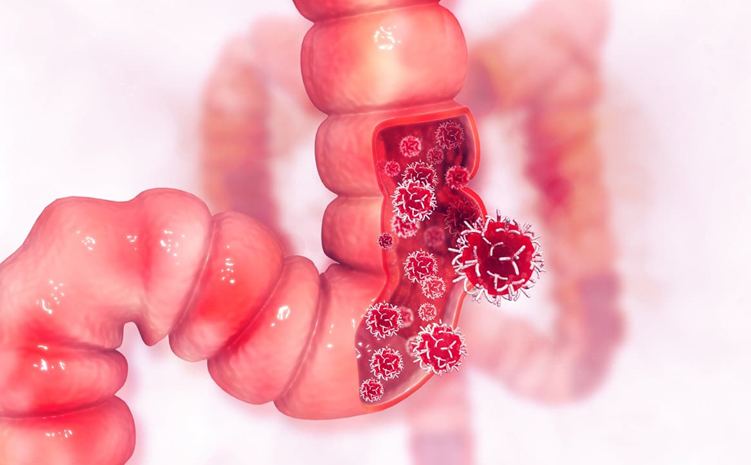
Anal and genital warts are benign skin and mucosal lesions that occur in the anal and genital regions as a result of Human Papilloma Virus (HPV) infection. HPV is a virus with many subtypes and is very common in the general population. The infection may progress for a long time without causing symptoms, and individuals may carry the virus without being aware of it.
Anal and genital warts may appear as single or multiple lesions, may increase in size over time, and may spread to surrounding tissues. With early diagnosis and appropriate treatment, the disease can be controlled and the risk of recurrence can be reduced.
How Is HPV Transmitted?
HPV is a virus transmitted through skin and mucosal contact. The most common route of transmission is sexual contact; the virus can be passed from one person to another during vaginal, anal, or oral intercourse. Complete sexual penetration is not required for HPV transmission; contact with infected skin may be sufficient.
The virus can be carried without causing any symptoms, which may lead to unintentional transmission. Condom use reduces the risk of transmission; however, because HPV can involve all contacting skin surfaces, it does not completely prevent transmission.
What Are the Symptoms of Anal and Genital Warts
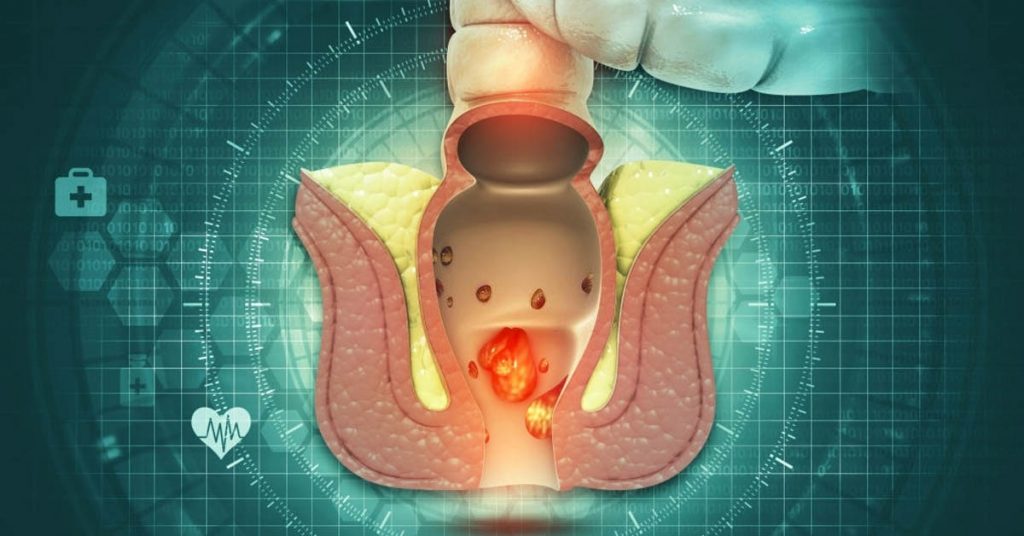
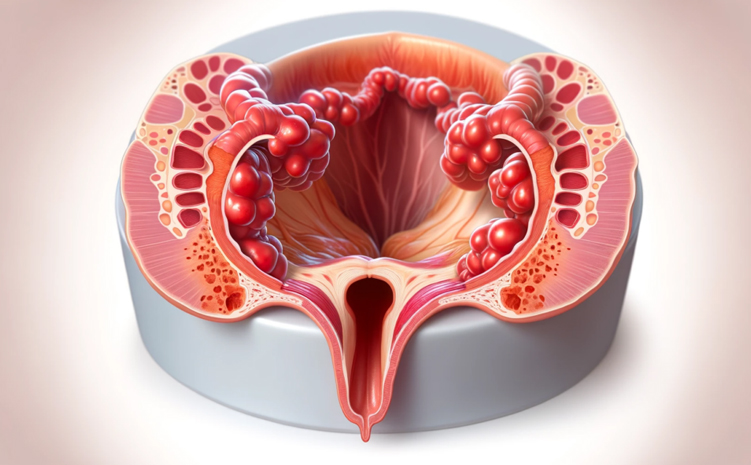
The symptoms of anal and genital warts may vary from person to person, and in some patients, no symptoms may be present for a long time. The most common symptom is the appearance of skin-colored or cauliflower-like protrusions in the anal or genital region. These lesions may occur as single or multiple growths.
As the disease progresses, itching, burning sensation, discharge, bleeding, and a feeling of fullness—especially in the anal area—may develop. In some patients, warts may grow and spread without being noticed. Therefore, early evaluation is important even when symptoms are mild.
w Are Anal and Genital Warts Diagnosed?
The diagnosis of anal and genital warts is most commonly made through clinical examination. A detailed physical examination performed by an experienced physician is usually sufficient to identify the warts. The location, number, and extent of the lesions are evaluated.
When necessary, anoscopy, biopsy, or HPV typing may be performed to confirm the diagnosis. The diagnostic process is planned with priority given to patient privacy and comfort. Early diagnosis increases treatment success and reduces the risk of spread.
How Is Anal and Genital Warts (HPV) Treated?
The treatment of anal and genital warts is planned according to the location, extent, number of warts, and the patient’s general condition. The goal of treatment is not only to remove existing warts but also to reduce the risk of recurrence. HPV infection may not be completely eliminated from the body; therefore, follow-up is of great importance.
Treatment options include topical medications, cauterization, laser therapy, and surgical methods. The choice of treatment is determined after a physician’s examination. The treatment process is carried out with attention to patient comfort and privacy.
What Happens If Anal and Genital Warts Are Not Treated?
If anal and genital warts are not treated, they may grow over time, increase in number, and spread to surrounding tissues.In advanced cases, warts may cause pain, bleeding, discharge, and infections. Especially in the anal region, hygiene problems and a significant decrease in quality of life may occur.
Certain HPV types may predispose to the development of precancerous lesions in the long term. Therefore, anal and genital warts should not be neglected and should be controlled with early diagnosis and appropriate treatment.