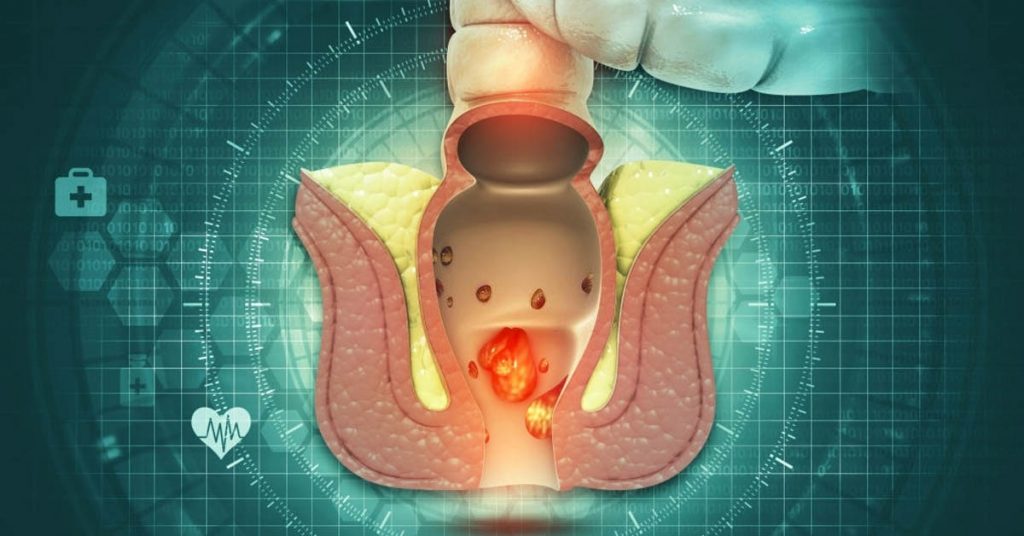
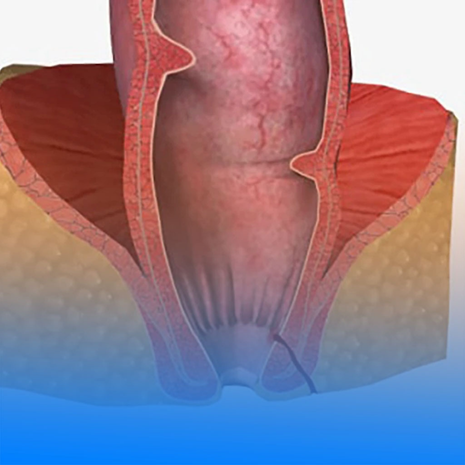
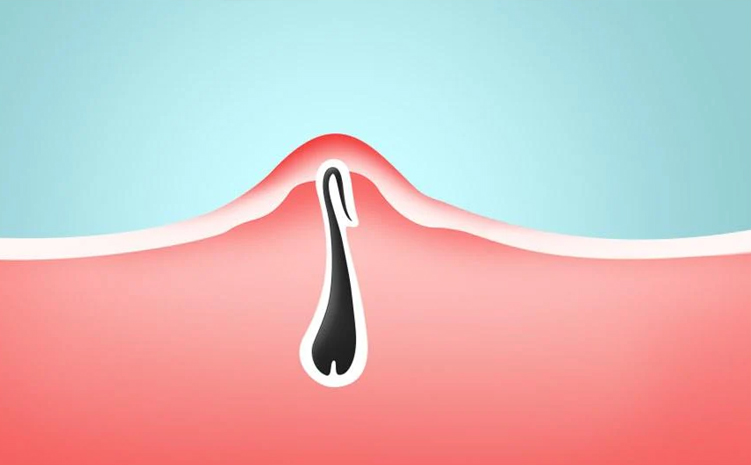
Rectal prolapse is a condition in which the rectum, the final part of the large intestine, protrudes through the anal opening. It develops as a result of weakening of the pelvic floor muscles and the connective tissues that support the rectum. Although rectal prolapse can occur at any age, it is more commonly seen in elderly individuals, patients with chronic constipation, those with long-term straining habits, and women with a history of multiple vaginal deliveries.
In the early stages, the prolapse may appear only during bowel movements, but over time it can become persistent and visible even at rest. Common symptoms include a visible or palpable mass at the anus, mucus discharge, bleeding, fecal incontinence, and a sensation of incomplete evacuation. If left untreated, rectal prolapse may progress and lead to infections, ulceration, and significant impairment of quality of life. Early diagnosis and appropriate treatment are therefore essential.
What is rectal prolapse?
Rectal prolapse is a condition in which the rectum, the final part of the large intestine, protrudes through the anal opening. It occurs due to weakness of the pelvic floor muscles and the connective tissues that support the rectum. In early stages, prolapse may appear only during bowel movements, but in advanced cases it can become permanent. Common symptoms include a visible mass at the anus, mucus discharge, bleeding, fecal incontinence, and a sensation of incomplete evacuation.
Makat sarkması (Rektal Prolapsus) tanısı nasıl konulur?
Rectal prolapse is diagnosed through a detailed evaluation of the patient’s symptoms and a thorough proctological examination. During physical examination, the patient may be asked to strain to observe whether the rectum protrudes through the anus. In most cases, the diagnosis can be made clinically. Additional tests such as MRI defecography, colonoscopy, and anorectal manometry may be used to assess the severity of prolapse, associated pelvic floor disorders, and functional abnormalities, helping to guide appropriate treatment planning.
What are the symptoms of rectal prolapse?
Symptoms of rectal prolapse may vary depending on the stage of the condition. The most common symptom is a visible or palpable protrusion from the anus, which initially appears during bowel movements and may later become permanent. Patients often experience mucus discharge, bleeding, moisture around the anus, fecal incontinence, difficulty controlling gas, and a sensation of incomplete evacuation. Constipation or alternating diarrhea, irritation and discomfort around the anal area may also occur. If left untreated, symptoms usually worsen over time and significantly impair quality of life.
What causes rectal prolapse?
Rectal prolapse occurs due to weakening of the pelvic floor muscles and supporting connective tissues that hold the rectum in place. Common causes include chronic constipation and prolonged straining, advanced age, pelvic floor weakness, multiple vaginal deliveries, nerve damage, obesity, and increased intra-abdominal pressure. In some patients, previous pelvic surgery, connective tissue disorders, or chronic diarrhea may also contribute. Over time, these factors lead to loss of rectal support and prolapse
How is rectal prolapse treated?
Treatment of rectal prolapse depends on the severity of the condition, the patient’s age, overall health, and associated symptoms. Surgery is the definitive treatment in most cases.
In mild or early-stage prolapse, managing constipation, reducing straining, increasing dietary fiber, and pelvic floor exercises may help relieve symptoms but usually do not eliminate the prolapse completely.
In advanced or symptomatic cases, surgical treatment is required. Surgical procedures can be performed via the abdominal approach (laparoscopic or robotic) or through the perineal approach. The main goal of surgery is to restore the rectum to its normal anatomical position, correct the prolapse, and improve bowel control. The choice of technique is individualized.
What happens if rectal prolapse is left untreated?
If rectal prolapse is left untreated, the condition usually progresses over time and the prolapse becomes more severe. What initially appears only during bowel movements may eventually become permanent. Long-term complications include fecal incontinence, inability to control gas, mucus discharge, bleeding, and ulceration or infection of the exposed rectal tissue. Continuous exposure of the rectum increases the risk of tissue damage and inflammation. Untreated rectal prolapse can significantly impair quality of life, social activities, and psychological well-being, and delayed treatment may require more extensive surgical procedures.